
What Is Design, Really?
Design is often reduced to visuals. Its real value lies in the decisions, structures, and intent that make products and environments work.
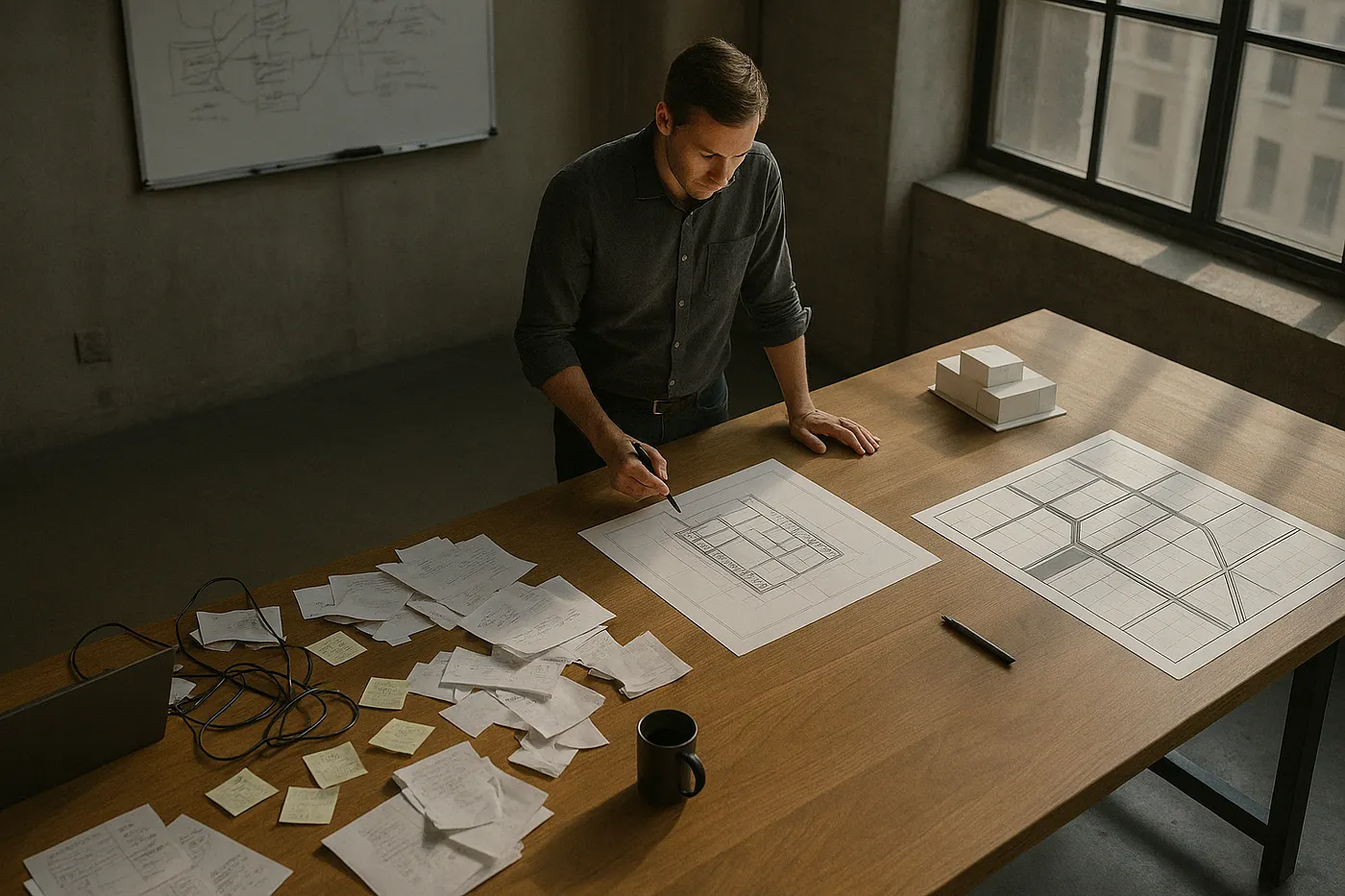
Design has been misunderstood for a long time. Somewhere along the line, it became synonymous with visuals. People started using the word to describe how something looks rather than what it does. If you mention design in a meeting today, you will hear about interfaces, screens, colors, typography, and maybe a new logo. Rarely will someone talk about decisions, structure, or intent.
And that is the issue.
Design is not decoration. It is not what happens after the real work is done. It is the work. It is not the cherry on top. It is the recipe, the structure, and the strategy all working together to make something function beautifully, even if no one notices it.
The best design is invisible. Not because it hides, but because it fits so naturally into what people need that it does not call attention to itself. It earns trust quietly. It removes friction. It creates clarity where there was once noise. You know it is good not because someone told you, but because everything simply makes sense.
Design is not limited to screens or brochures. Look around.
Theme parks use design to control how people move through space, how long they wait, and how entertained they are while they wait. Cities shape how people gather, how they walk, how they rest, and how they engage with the community. Airport terminals, hospital signage, subway maps, and elevator dashboards are all design systems at work. They exist to create clarity in environments that are built for pressure, urgency, or scale.
You have probably been in a parking garage that made you feel tense for no obvious reason. That was not your imagination. It was bad design. Poor lighting, confusing arrows, unclear signage, and dead corners all add up. Now contrast that with the experience of walking through a museum or a well-designed public building where everything just flows. You are being guided by decisions you do not even notice. That is design working the way it should.
This is what makes design so critical and so easy to overlook. When it works, no one mentions it. When it fails, people blame the user, the circumstance, or the system. But the system was the design all along.
Good design begins before any software is opened. Before shapes are drawn or screens mocked up. It begins with thinking, with listening, with understanding the problem from all sides. A designer's first job is not to create. It is to observe, to question, and to understand what is really going on beneath the surface. Only then can they shape solutions that move things forward.
There are patterns I look for when assessing whether something is well designed. They apply whether we are talking about a checkout flow, a park, or a government form. These are five I return to often.
First, does it reduce friction, or does it simply shift the burden somewhere else? A design can feel smooth in one moment but create frustration later. Good design sees the entire arc and makes deliberate choices at every step.
Second, does it respect the user’s energy? Good design acknowledges that attention and patience are limited. It avoids repetition. It removes unnecessary choices. It lets people act without needing to stop and think about how.
Third, does it hold up under pressure? Design is not just how something works on a calm Tuesday. It is how it performs when there is a line out the door, the Wi-Fi goes down, or the person using it is tired, rushed, or stressed.
Fourth, is the logic behind it clear? Or is it simply following trends? Some things look impressive but fall apart once you try to use them. Others appear plain but make every step effortless. The second kind wins over time.
Fifth, can someone unfamiliar with it succeed on their first try? Design that only works for insiders or power users is incomplete. The real test is whether a new person can enter the experience and immediately feel like they belong.
These questions apply to apps and dashboards. But they also apply to parks, signage systems, shopping carts, hotel elevators, and how IKEA lays out a showroom. Design is everywhere decisions are made about how something should work. And when those decisions are made with care, empathy, and precision, the results speak for themselves.
There is no single definition of design that satisfies everyone. But if there is one idea that holds true, it is this. Design is the deliberate act of shaping something to serve others better. It is not just about making things easier. It is about making things make sense.
And if that is not worth leading with, nothing is.